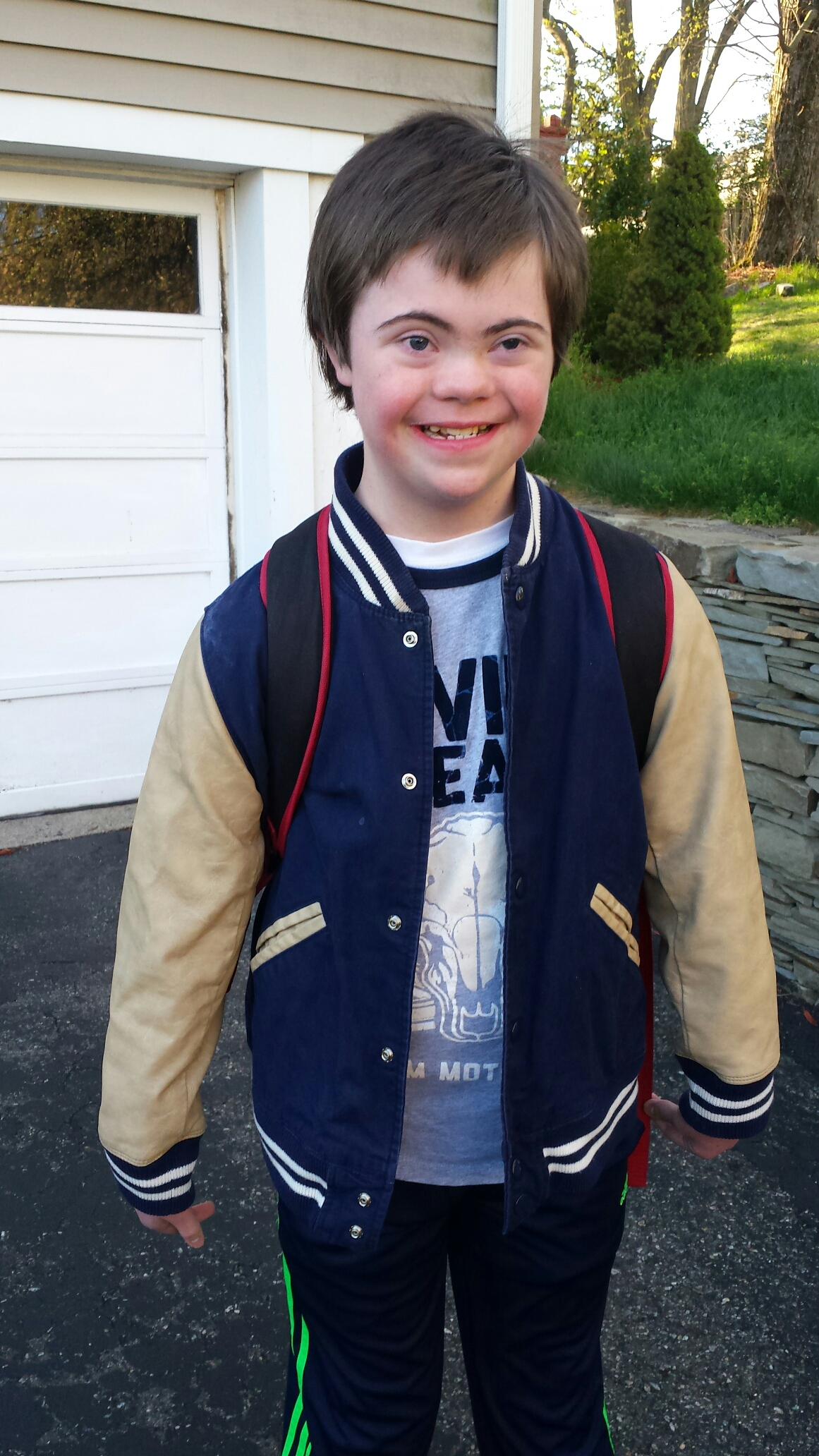
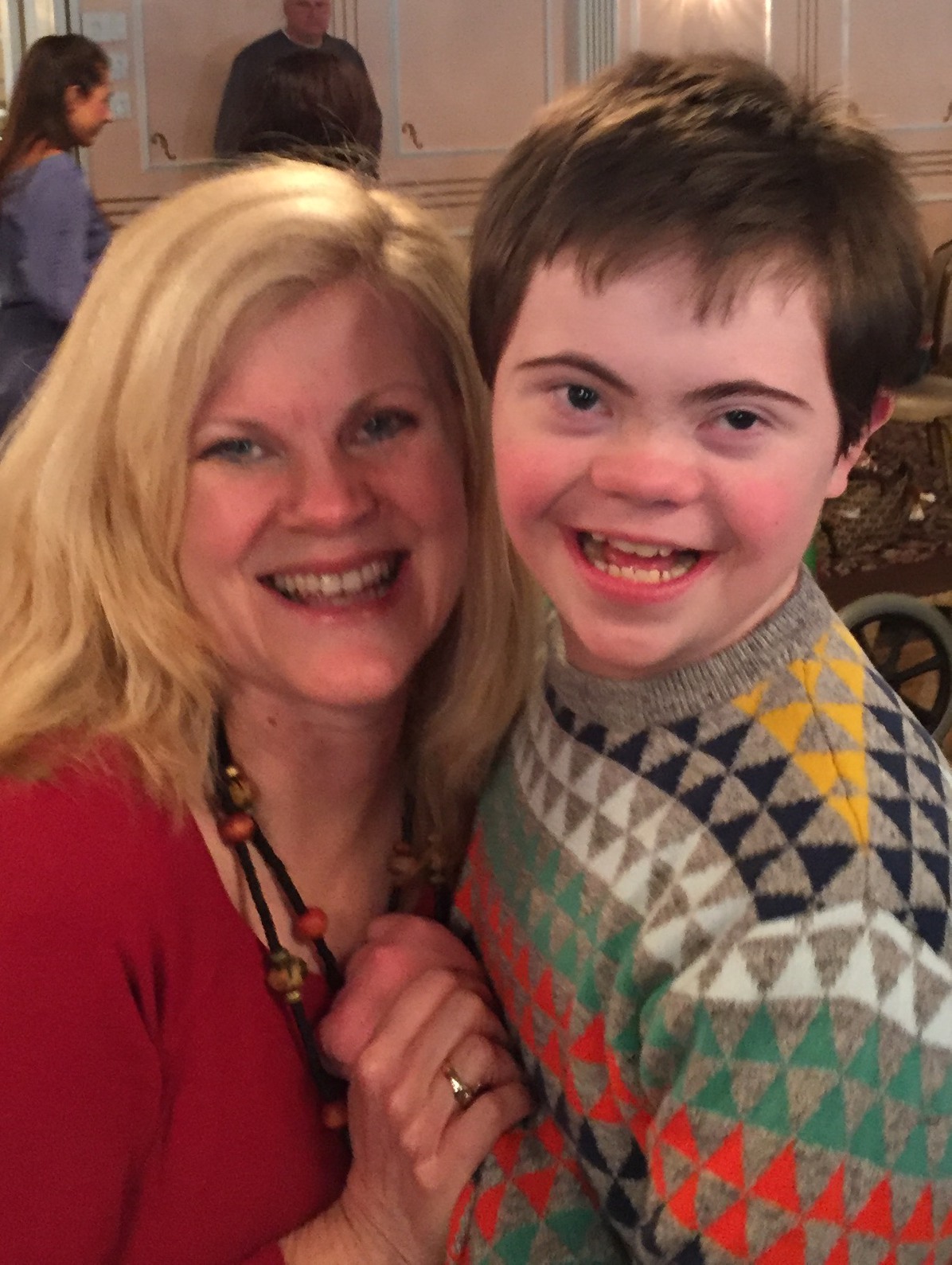
The above photo is one of my absolute favorites! I look at it almost daily, so I never forget how blessed I am. Life and motherhood hold a very special meaning for me as a result. This picture was taken on Mother’s Day, 2010, just 7 weeks after I finished my final chemo infusion for Stage 3 colon cancer. It was one of the happiest days of my life because I was here to celebrate my Brian, who is my reason for being a Mom. Twelve grueling chemo rounds were behind me and I felt great! I had pleaded, prayed, and bargained with God the whole time to heal me because I needed to be around for Brian, and wanted to be with my husband, Jim. I was truly one of the lucky ones. Life is often not fair and there is no rhyme or reason why things happen, like cancer, or any other major life event. But I have learned through my personal trials both as a cancer survivor and Brian’s Mom that there is “beauty in the ashes”, that joy will inevitably return, and that there are blessings that come from the challenges that we often find ourselves going through, though we may not always see them at the time of our trial.
Brian’s multiple disabilities certainly made our lives quite full ( and still do, of course), and at the time of my cancer diagnosis, Jim was also out of work ,so talk about the trials of Job! I look back now and think to myself how did we ever get through all of that?! Some days, not very well at all, truth be told. It was really tough to hold on to hope and we were often very discouraged and afraid. But somehow, by the grace of God, we were able to forge ahead. We had to for Brian’s sake- there really was no choice. Kids have that way of really defining your priorities. Despite the hell that was going on around him, Brian was unaware, and in this particular instance, I was actually grateful for his disabilities, as strange as that may sound. He was unable to understand what was happening, which was really blessing, as far as we were concerned. Brian’s priorities of Cheerios, chocolate pudding, music, swim time, etc, remained, and these important things to him, were important to us too.
Many blessings did happen during that time. Our families and friends were stellar with their ongoing support, meals, and prayers. I wrote a bi-monthly blog on a site called “support circle” to inform everyone of my trials and tribulations during cancer treatment. This proved to be extremely cathartic for me; writing helped me to process my fear and sadness, while giving me a “voice” in communicating with family and friends, when direct interaction was often not possible. We received many cards and phone calls that encouraged us to “keep on, keeping on”, which meant so much to us. Most importantly, Brian’s routine was maintained and he remained a happy boy (at least most of the time).
Cancer does not discriminate, yet, I had truly thought at that time since we already had a son with special needs that we were somehow immune from this possibility. Our trump card was already on Brian-overload and will remain so for a lifetime. I figured if it were to happen, it wouldn’t be until I was much older, like most cancer patients. However, there are clearly exceptions, and it did take me awhile to wrap my brain around the whole cancer journey and its potential long-term implications for us as a family and especially for our Brian, our most vulnerable member. A friend of mine is going through chemo treatments right now and she has a daughter with Down syndrome, a beautiful, bright young lady, who is 14 years old. Recently, I picked up the daughter to take her to day camp, and before we left, her Mom explained to her daughter that she was going for a chemo infusion that very day. The young girl immediately hugged her Mom and said that she was sad for her and asked the rhetorical “why, Mom?” Talk about a lump in the throat…I couldn’t agree more with the question. It is so unfair. And there is no answer to that question.
Yes, I have seen many blessings from cancer over the past 7 years. I have become a stronger advocate, both for myself, and Brian, when it comes to both medical and educational matters. I was able to advocate for my Dad before he passed away from lung cancer a few years ago and I don’t think that would have ever been possible prior to my own experience. I believe I am also a more compassionate and understanding person. I do appreciate the life that God has given me and want to make the best of each day. And some of those best days can also include napping, reading a book, or taking a long walk. Finally, I have learned the value of self-care, not only for myself, but for the well-being of my family. It’s never a good thing if the Mother Ship goes down! I am forever grateful that I remain afloat and can bear witness to the amazing life that my blue-eyed Angel leads, which is the biggest blessing of all. 😊

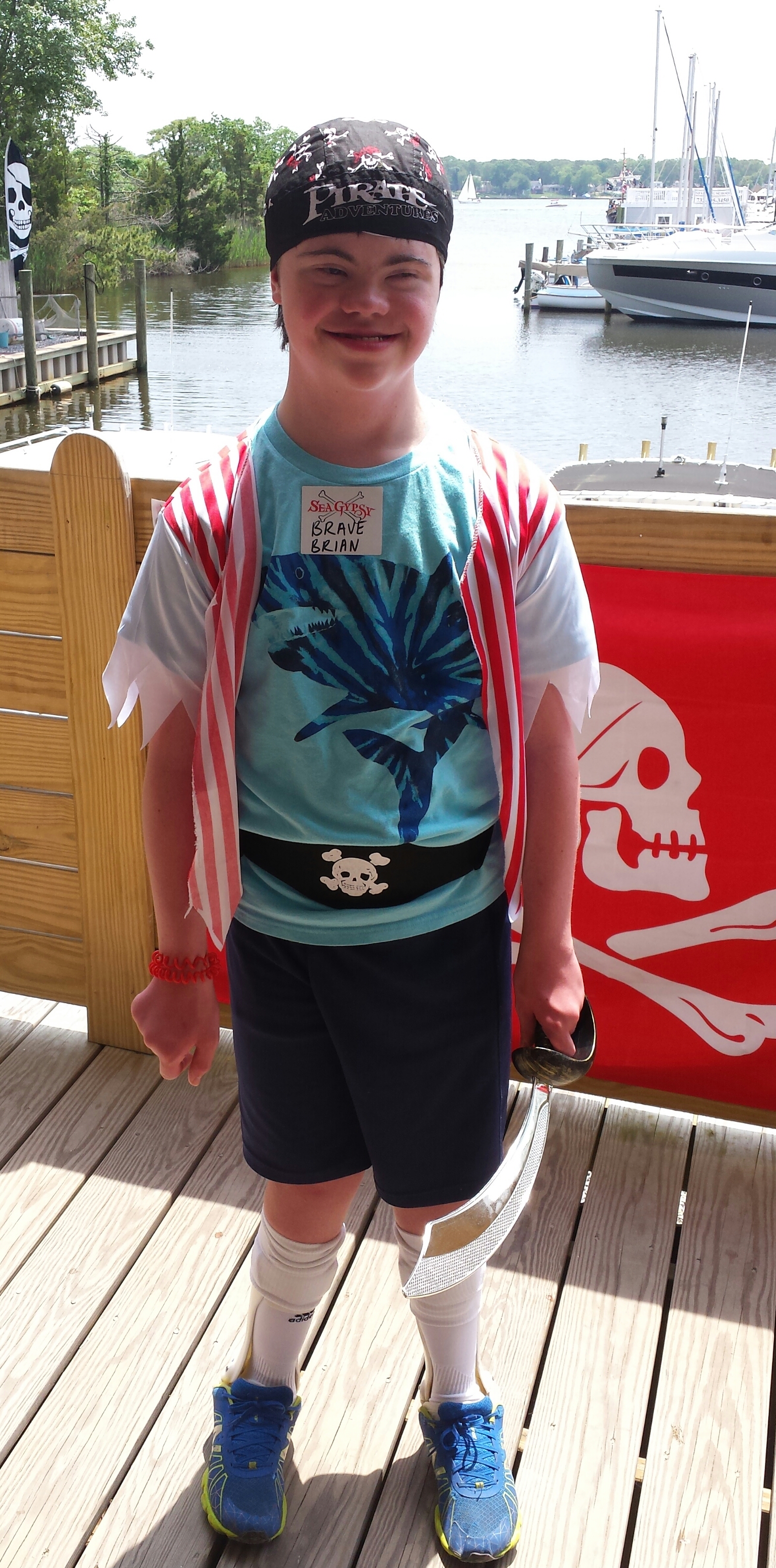
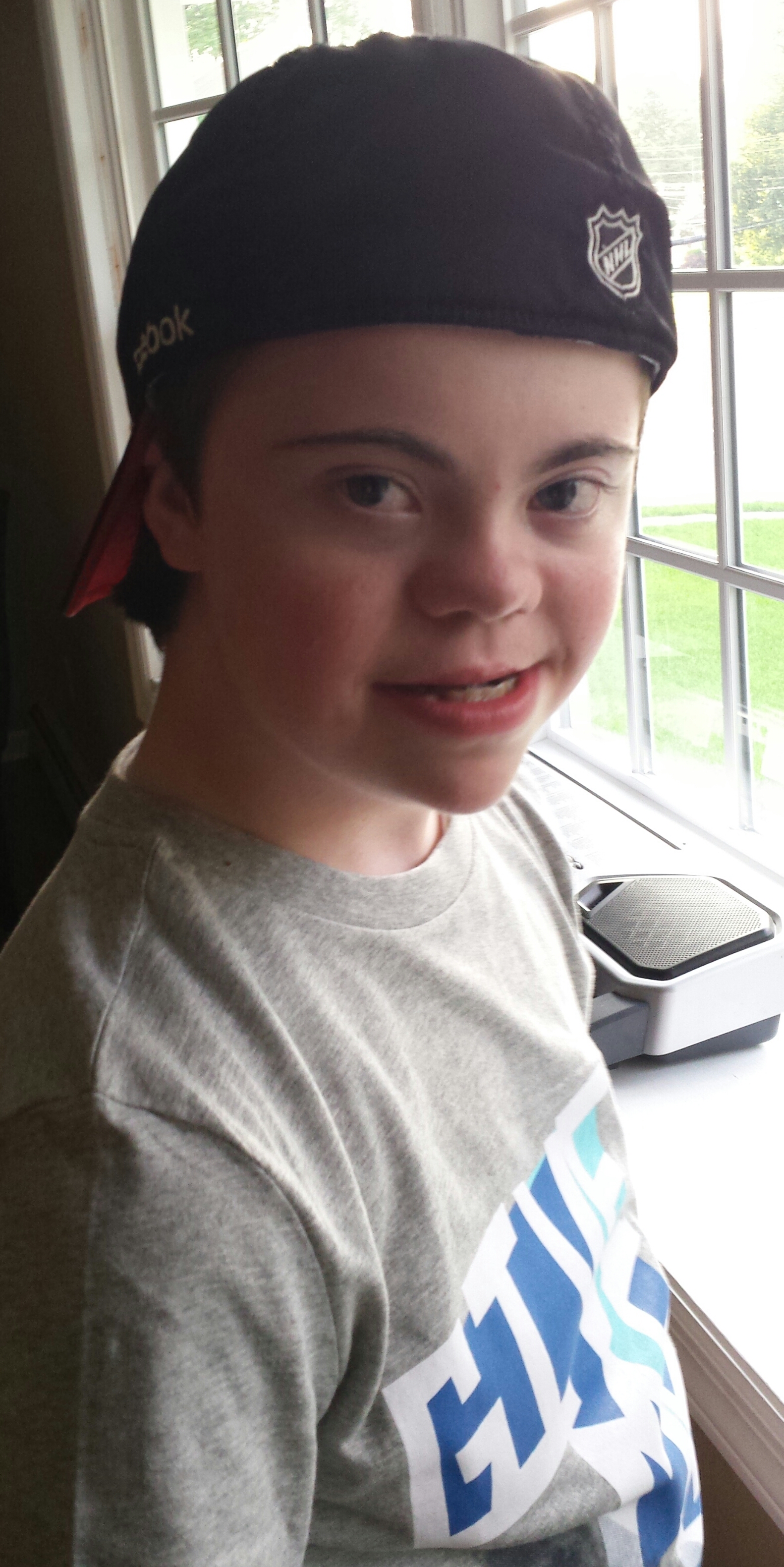
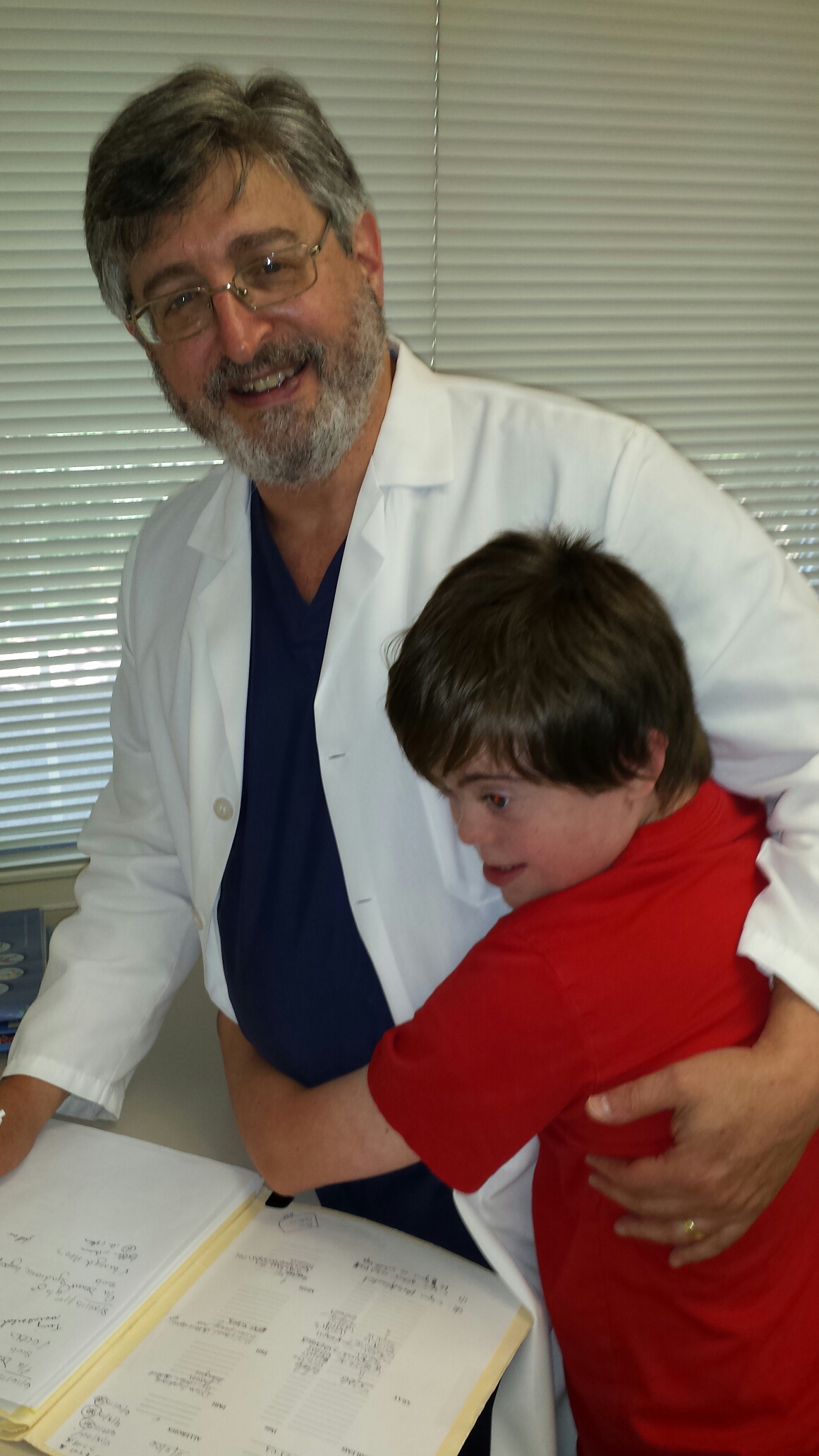
 It generally happens at the most inappropriate times, rain, snow, or shine. It means: ” I don’t want to”, “I don’t understand this”, or “I’m tired”.